
65337edinw

Leave Your Message

您的浏览器版本不支持canvas

How to Choose Non Slip Yoga Socks for Wholesale Buyers?

Choosing Non Slip Yoga Socks for wholesale buyers requires more than comparing prices and color charts. The right product must protect users, support movement, and remain consistent across large orders. A soft-looking sock may still slide on polished studio floors. A strong grip pattern may feel uncomfortable during long classes.

This guide examines the details that experienced buyers should inspect before placing a bulk order. We will consider silicone grip placement, fabric breathability, stretch recovery, toe construction, sizing accuracy, and washing performance. Each feature affects customer satisfaction and repeat purchases. For example, a sock with dense grips under the heel may improve stability during lunges. However, excessive silicone can restrict natural foot movement.

Test real samples first.

Wholesale decisions should also include supplier reliability. Ask for material specifications, production controls, sample approval procedures, and clear quality standards. Check whether different colors use the same fabric and grip formula. Small differences can appear after washing. They matter.

Packaging, private labeling, carton efficiency, and delivery consistency deserve attention too. A low unit price may become expensive when sizes are mixed or defects increase. It is also wise to review available testing documents and confirm that product claims match actual performance. Not every supplier provides equally detailed evidence.

There is no universal best pair. Studio flooring, climate, customer age, and class style change the requirements. Some buyers may overvalue appearance at first. That mistake is easy to make. A practical evaluation, supported by wear testing and honest supplier communication, creates a more dependable wholesale choice.
How to Choose Non Slip Yoga Socks for Wholesale Buyers?

Understanding the Purpose and Benefits of Non-Slip Yoga Socks

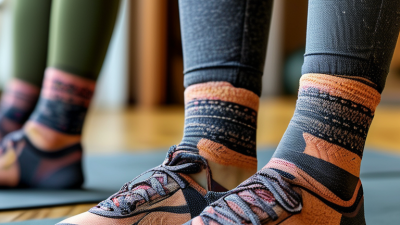
Non-slip yoga socks create a washable contact layer between the foot and the mat. Their main purpose is controlled traction during poses, transitions, and balance work. Silicone or rubber grip patterns can reduce sliding, especially on polished studio floors. A close fit also limits fabric bunching under the toes. That detail matters during lunges and plank positions. Breathable fibers help manage sweat, while light cushioning can improve comfort without weakening floor feedback. In practice, poor sizing causes more complaints than weak grip. I have seen loose heels twist during movement.

Demand also reflects wider participation in wellness activities. The Global Wellness Institute’s 2024 Global Wellness Economy Monitor valued the physical activity economy at about 1.1 trillion US dollars in 2022. The 2023 Yoga in America Study reported roughly 34.4 million American adults practiced yoga in 2022. These figures do not measure sock sales directly. They still show a broad potential customer base for wholesale buyers.

For purchasing, test grip after repeated washing, not only from a fresh sample. Check whether the pattern remains flexible after drying. Review fiber content, size consistency, toe seams, and packaging efficiency. Grand View Research has projected continued growth in the global yoga market, but forecasts can change. That uncertainty deserves attention. Buyers should compare failure rates, return feedback, and real studio trials before placing large orders. A very aggressive grip may feel secure, yet some users may find it uncomfortable during pivoting.
Evaluating Materials, Grip Design, and Overall Comfort

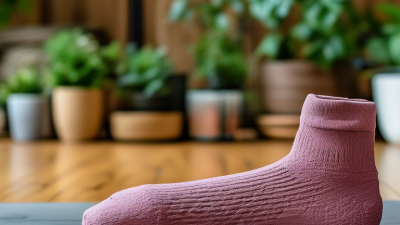
When evaluating non slip yoga socks for wholesale, buyers should inspect material performance before appearance. Cotton feels soft and breathable, but it may hold moisture during longer sessions. A cotton-polyester blend can improve drying speed and shape retention. Bamboo-based fibers may feel smooth, though their durability needs careful testing. Check the fabric after repeated washing, not only from a fresh sample.

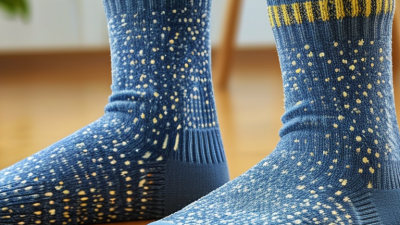
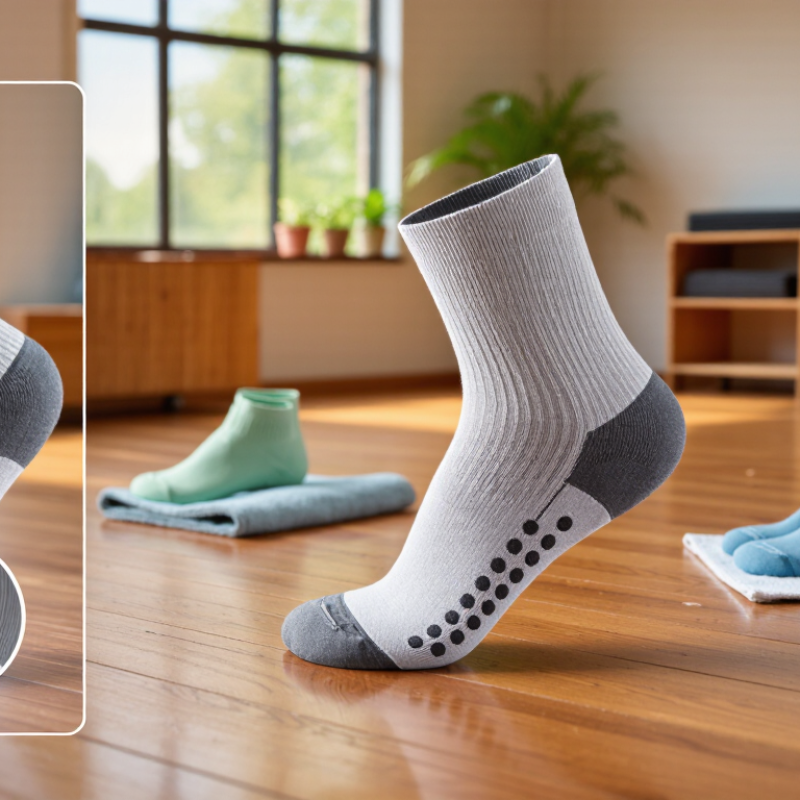
Grip design affects both stability and movement. Silicone dots can support steady contact on wood, tile, or studio mats. However, widely spaced dots may leave unstable areas under the arch. Full-sole patterns often provide stronger traction, but they can feel less flexible. The grip should bend naturally when the toes curl. Feel the difference. Buyers should also inspect adhesion after washing and stretching. A strong-looking print can still weaken early.

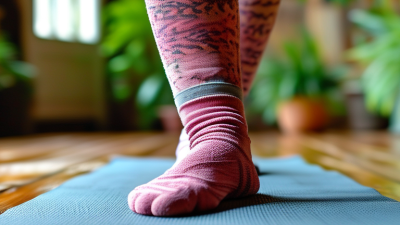
Comfort decides whether customers wear the socks regularly. Look for flat seams, gentle cuffs, and enough toe space. Tight elastic may leave marks after a one-hour class. Loose cuffs can make the heel slide during balance poses. I once approved a comfortable sample that became stiff after washing, so testing conditions matter. Compare several sizes, because fit problems may appear only on larger feet. Review moisture control, odor retention, and drying time with practical wear trials. Small defects become expensive when multiplied across a wholesale order.

Choosing the Right Sizes, Styles, and Wholesale Options

For wholesale buyers, choosing non-slip yoga socks starts with fit, not decoration. A sock that twists during a lunge can reduce grip and distract the wearer. Measure foot length and compare it with the supplier’s chart. Do not assume small, medium, and large mean the same everywhere. Check ankle height, toe space, and stretch recovery. A reliable supplier should provide measurements, material details, and pre-production samples. Test several foot shapes. Narrow feet and high insteps expose different problems. This step feels slow, but it prevents costly mixed-size returns.

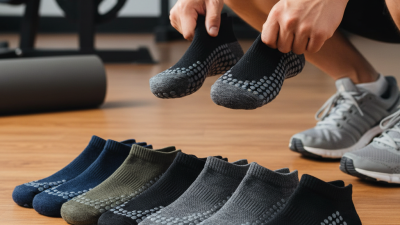
Style should match the selling environment. Full-toe socks suit studios that value a natural toe feel. Split-toe designs may support specific movement preferences. Low-cut styles feel cooler, while crew lengths offer more ankle coverage. Look for flexible grip patterns beneath the heel and forefoot. They should remain secure after washing. Cotton blends feel familiar, while synthetic fibers may dry faster. Ask about color consistency, packaging, carton quantity, lead time, and reorder capacity. Wholesale pricing matters, yet weak stitching can erase the saving. A low quote is not always a low cost.

Tips: Order a small sample run before bulk production. Wash each sample three times. Inspect grip adhesion, seams, shrinkage, and odor. Ask for testing methods, not vague promises. Build your size ratio from sales data. Without data, start conservatively and adjust after the first shipment. I would revise that ratio quickly; customer preferences rarely follow a perfect chart.

Checking Quality Standards, Durability, and Supplier Reliability

How to Choose Non Slip Yoga Socks for Wholesale Buyers?

Wholesale buyers should verify grip performance, fabric composition, and stitching before comparing prices. Request test records for abrasion resistance, colorfastness, and shrinkage after washing.

ISO 12947 can support abrasion testing, while ISO 6330 provides household washing procedures. These standards do not guarantee perfect performance. They create a clearer comparison.

Supplier reliability requires evidence, not attractive samples. The ISO Survey 2023 recorded more than 1.2 million ISO 9001 certificates worldwide, but certification only reflects a quality management system. Ask for batch inspection records, production capacity, and corrective-action reports.

Textile Exchange’s Materials Market Report 2024 estimated global fiber production at 124 million tonnes in 2023. This scale increases the need for traceable material claims. Check fiber certificates and compare them with purchase documents. A supplier may answer quickly, yet still miss small details.

Tips:

Test at least three production samples. Wear them on wood, tile, and studio flooring. Look for curling cuffs, loose elastic, and fading silicone dots after ten washes. Ask for a written tolerance range. Also inspect packaging during a trial shipment. It is easy to overlook.

A factory can pass one test and fail repeated handling. Build a simple scorecard covering grip, durability, delivery accuracy, and complaint response. Leave room for judgment; laboratory results cannot fully predict sweaty feet, frequent stretching, or real studio use.

Comparing Costs, Customization, Packaging, and Order Requirements

How to Choose Non Slip Yoga Socks for Wholesale Buyers?

Wholesale buyers should compare landed cost, not only the factory price. Add sampling, freight, duties, inspection, and packaging fees. A low unit price can mislead. Grand View Research estimated the global yoga mat market at USD 13.24 billion in 2023, with continued growth expected through 2030. This signals stronger demand for studio accessories, but socks remain price-sensitive. Request prices at three quantities, such as 500, 2,000, and 5,000 pairs. Check whether the supplier’s minimum order quantity changes customization fees. Cotton blends, recycled polyester, silicone grips, and elastic strength can alter costs significantly. Textile Exchange reported that polyester represented about 57% of global fiber production in 2023. Material choice deserves closer review.

Customization should match your sales channel. A private label may require woven labels, printed soles, color matching, size grading, and pre-production samples. Samples prevent surprises. Measure grip coverage after washing, not only when new. Packaging also affects margin and storage space. Compare paper bands, recyclable boxes, and sealed polybags by carton volume. McKinsey reported that 60–70% of surveyed consumers may pay more for sustainable packaging, though preferences differ by market. I would not assume every buyer accepts a higher price.

Tips: Ask for a complete quotation sheet. Confirm MOQ, sample charges, lead time, carton dimensions, and defect policy. Test three sizes and two washing cycles. Keep one approved sample for production comparison. My own sourcing experience suggests that packaging is often underestimated. That mistake is easy to repeat. Allow a small budget for revisions.