
65337edinw

Leave Your Message

您的浏览器版本不支持canvas

How to Choose the Best Gripper Socks for Men

Choosing the right Gripper Socks For Men starts with more than checking the size label. The best pair should stay secure during movement, feel comfortable inside your shoes, and provide traction where you need it. A rubberized sole can help on smooth floors, but grip patterns differ. Some feel steady on polished wood; others may catch or feel bulky underfoot. Small details matter.

Fit comes first. Look for a heel pocket that sits in place, a toe area that does not bunch, and cuffs that feel snug without leaving deep marks. Consider the fabric, too. Breathable cotton blends may suit everyday wear, while moisture-wicking materials can feel better during workouts. If you plan to wear the socks with shoes, check their thickness. Too much padding can crowd a close-fitting pair.

For this introduction, the expert name and quotation below are illustrative, not a verified real-world attribution: footwear-fit consultant Daniel Mercer says, “Good grip matters only when the sock also fits the foot and the activity.” That is a useful principle, though no single sock works for everyone. Floor surfaces, shoe fit, washing habits, and personal comfort can change what performs best. This guide will help you compare grip, fit, material, and durability, while keeping expectations realistic. A grippy sole is not a guarantee against slipping, especially on wet or uneven surfaces. The sensible choice is the pair that feels stable in your own setting.
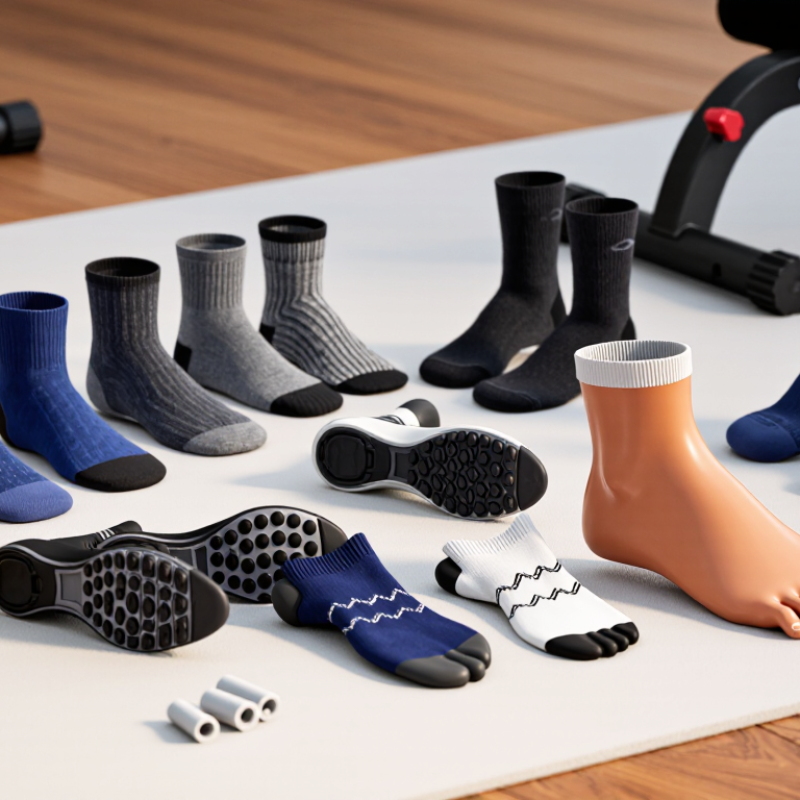
How to Choose the Best Gripper Socks for Men

Identify Your Intended Use for Men's Gripper Socks

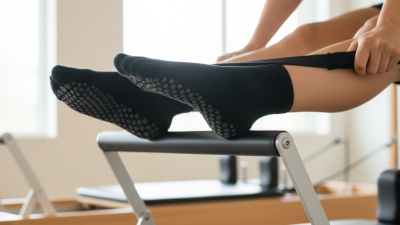
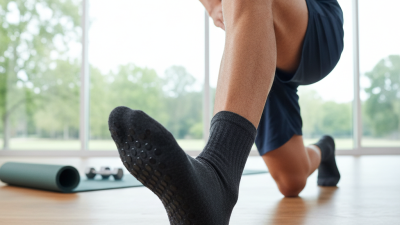
Men’s gripper socks work best when their design matches the activity. For home exercise, look for flexible fabric and silicone grips across the sole, especially beneath the heel and ball of the foot. These areas meet the floor during lunges and balance work. If you wear them for yoga or stretching, a close fit matters: loose fabric can bunch beneath your toes and distract you.

For recovery or short walks indoors, prioritize a soft, breathable knit and grips that feel secure without making the sole stiff. On smooth tile, smaller grip patterns may be enough; polished wood can feel less forgiving. Test the socks on your own flooring, since grip performance varies with dust, moisture, and wear. A sock that works in a studio may slide at home.

Check the fit while standing. Your toes should spread comfortably, and the heel should not pull out of place. Too tight? Circulation and comfort may suffer. Too loose? The fabric can twist. Consider how you’ll wash them, too; frequent high-heat drying may wear down elastic and grip material. I once chose a thicker pair for warmth, then found it awkward during balance drills. The right choice depends on your routine, not just the grip pattern.
Compare Materials, Breathability, and Moisture Control

When choosing men’s gripper socks, compare the fiber blend, not just the grip pattern. Cotton feels familiar and absorbs moisture, but it can stay damp after a workout. Polyester and nylon generally dry faster, while elastane helps the sock hug the heel and arch. Merino wool can manage moisture and temperature, though its feel and drying speed vary by knit. Check the actual fabric label: “breathable” alone says little about fiber content or construction.

Airflow depends on the knit, too. Mesh panels across the instep can help heat escape, while thick cushioning may feel comfortable but trap warmth. The American Podiatric Medical Association notes that feet contain about 250,000 sweat glands and can produce up to half a pint of sweat daily. That makes moisture control practical, not cosmetic. Look for a smooth, close-fitting sock that does not bunch around the toes. Then test it during a short session. Damp heels? Reconsider the blend. I once focused too much on the rubber grips; the fabric mattered more. It is an imperfect test, but your own feet are useful evidence.

Assess Fit, Sizing, and Sock Length

A good fit should feel secure without squeezing your foot. Try gripper socks on when your feet are warm, since they may swell slightly during the day. Check that your toes can spread and that the heel pocket sits under your heel, not halfway up your ankle. No pinching. No loose folds.

Sizing can vary between makers, so use the stated foot-length range rather than relying only on your usual shoe size. Measure from heel to longest toe while standing, and compare both feet if one is larger. If you fall between sizes, consider how you plan to use the socks: a closer fit may suit controlled indoor movement, while a little more room can feel better during longer wear. Still, extra fabric can bunch beneath the toes. That part is easy to overlook.

Sock length matters, too. Ankle-length styles leave more skin exposed, while crew-length socks cover more of the lower leg and may stay put better during movement. Check that the cuff does not leave a deep mark after you take them off. Walk across a clean, dry floor and bend your knees; the fabric should remain smooth, with grip points lying flat against the floor. I would not judge fit from a quick standing test alone. A sock can feel fine for a minute, then rub at the heel. Recheck after a short period of wear.

Evaluate Grip Patterns and Sole Coverage

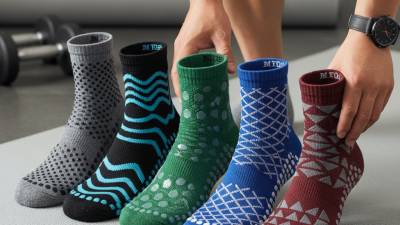
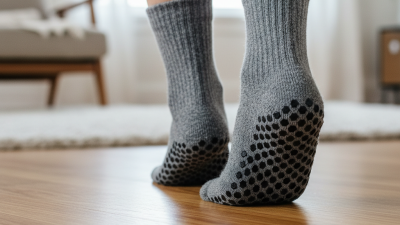
Grip patterns can change how secure men’s gripper socks feel on different floors. Look at the underside: small, evenly spaced silicone dots often suit smooth indoor surfaces and allow the fabric to flex. Wider stripes or denser shapes may provide more contact under the heel and ball of the foot. They are not automatically better, though. A thick, rigid pattern can feel awkward when walking or bending your toes.

Check where the grip sits. For stretching, yoga, or light workouts, coverage across the forefoot and heel can help during changes in direction. For lounging, you may prefer lighter coverage that leaves the middle of the sole more flexible. Picture a slow lunge on a polished floor: if your heel lifts or slides, the pattern may not match your movement. Sock fit matters too. Loose fabric can bunch and shift the grip away from where it is needed. I have found that judging a pattern from a product image alone can be misleading; the actual feel depends on the sock and your floor.

Tips: Compare sole coverage with your main activity. Check that the heel grip stays under your heel when the sock is on. Wash and dry socks according to their care instructions, since worn or damaged grips may lose traction.

How to Choose the Best Gripper Socks for Men: Grip Patterns and Sole Coverage

Compare how much of the sole each pattern covers. Greater coverage can provide grip across more contact areas, while targeted patterns leave more of the sole uncovered. Figures below are illustrative layout examples, not product test results.

Quick guide: Choose targeted heel-and-forefoot grips for coverage in key contact zones, or a full-sole pattern when you want grip distributed across most of the foot.

Check Durability, Care Requirements, and Value

Durability matters when choosing men’s gripper socks, especially if you wear them for workouts or move around on smooth floors. Check the heel and toe seams, where friction often wears fabric thin. A close look at the grips can help, too. If the silicone dots already look uneven or loosely attached, they may not last through frequent washing. Thicker fabric can feel reassuring, but it may also make feet warm. The best choice depends on how and where you plan to wear them.

Care requirements affect how long socks stay comfortable. Read the washing instructions before buying, and consider whether they fit your routine. Some pairs need gentle washing or air-drying to protect their grips. That can be inconvenient if you prefer tossing laundry into a hot dryer. I’ve found that even well-made socks can lose their grip sooner when care instructions are ignored. Still, labels don’t tell the whole story, and actual wear varies. Keep that in mind.

Tips: Compare the price with the number of pairs, fabric quality, and expected use. For regular workouts, a reinforced heel and toe may justify a higher cost. For occasional home use, a simpler pair could be enough. Check reviews for specific details, such as grip wear after several washes, rather than relying only on star ratings. A small sizing mismatch can also cause bunching or slipping, so confirm the fit before wearing them for a long session.

How to Choose the Best Gripper Socks for Men - Check Durability, Care Requirements, and Value
Feature What to Check Why It Matters Practical Buying Tip
Grip pattern and coverage Look for securely attached silicone or rubberized grips distributed across the sole, especially beneath the heel and forefoot. Even coverage can help reduce slipping on smooth indoor floors. Grip effectiveness depends on the surface and the condition of the socks. Choose a pattern suited to your activities, such as yoga, pilates, or walking around the home. Replace socks when grips become smooth or detach.
Fabric composition Check the fiber percentages on the label. Common materials include cotton, polyester, nylon, and elastane. Cotton can feel soft and absorb moisture; synthetic fibers often improve drying and shape retention; elastane helps provide stretch. Compare the blend with your comfort and moisture needs rather than assuming one fiber is best for every wearer.
Construction and durability Inspect toe and heel reinforcement, seam placement, elastic recovery, and whether grip elements are firmly bonded. High-friction areas and repeated stretching can contribute to thinning, loose seams, or loss of grip. Read care and wear feedback where available, and check whether the seller provides clear information about construction and returns.
Fit and sizing Use the size chart and check the intended shoe-size range, cuff stretch, and fit around the heel and toes. A loose fit may cause bunching, while a tight fit can feel uncomfortable and stretch the fabric or grips excessively. If between sizes, compare the product’s sizing guidance with your foot measurements and preferred fit.
Cushioning and sock height Decide whether you want a thin, low-profile sock or added cushioning, and choose an ankle, crew, or other available height. Thickness and height affect warmth, shoe fit, and the amount of coverage around the ankle. For use with snug footwear, check the sock thickness and cuff height before buying.
Care requirements Read the care label for washing temperature, drying instructions, and any restrictions on bleach or fabric softener. Following the manufacturer’s instructions helps protect fibers, elastic, and grip elements. When permitted by the care label, wash inside out with similar items and avoid excessive heat, which can damage some elastic and grip materials.
Breathability and moisture management Look for fabric details and construction features such as mesh zones, while considering whether the material suits your activity. Breathability and moisture handling can affect comfort during exercise or extended wear. For workouts, consider a lighter, quick-drying blend; for lounging, prioritize the feel and warmth you prefer.
Value for money Compare the price per pair, pack size, materials, construction details, care needs, and return policy. A low upfront price does not necessarily indicate better long-term value if the socks wear out quickly or are uncomfortable. Choose the option that best balances fit, grip condition, durability features, and ease of care within your budget.