Best Traction Socks for Ultimate Grip and Comfort?
Traction Socks have emerged as a vital accessory in various sports and activities. According to a 2022 market report from the Sports Sock Association, the traction sock market has grown by 25% over the last two years. This growth is largely attributed to the increasing demand for enhanced grip and comfort during workouts and competitions. Industry expert Dr. John Anderson states, "Traction Socks can significantly improve performance by providing better stability and preventing slips."
Designed for athletes and fitness enthusiasts, Traction Socks offer optimal grip on different surfaces. The unique materials and design features enhance both comfort and support. However, not all traction socks are created equal. Some may wear out quickly or fail to provide adequate grip. It's crucial to choose products that have been tested for durability and performance. Even with the increasing popularity, some consumers still face challenges in finding the right fit and performance level.
In an industry that values precision and quality, choosing the best Traction Socks can make a significant difference. As consumers navigate through various options, understanding the attributes of effective traction socks is key to achieving optimal performance.
Choosing the Right Material for Traction Socks: A Comprehensive Guide
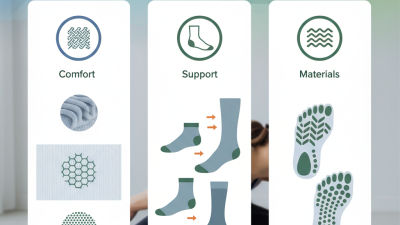
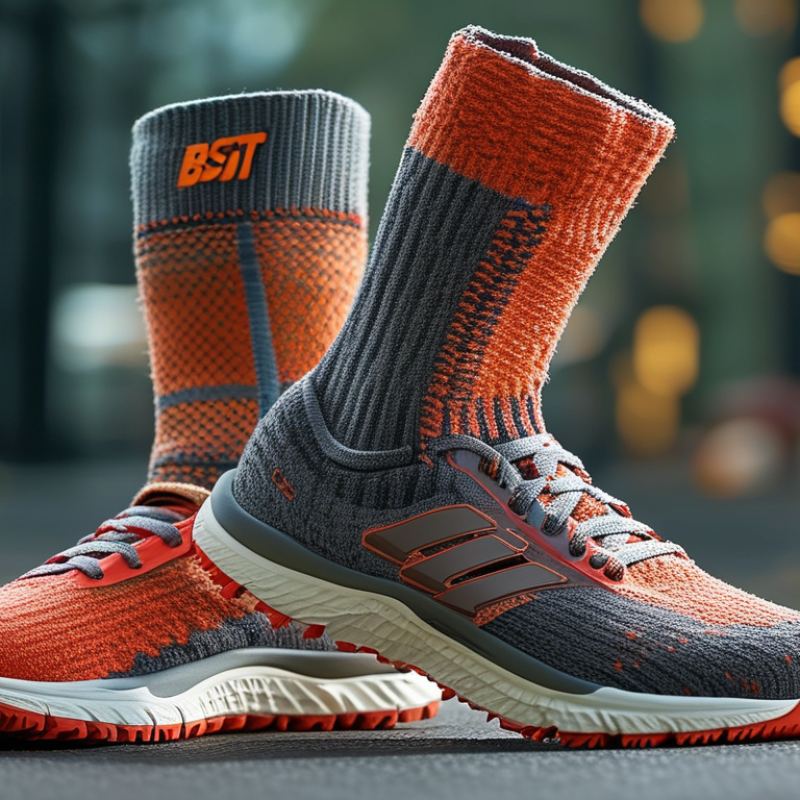
When selecting traction socks, material choice plays a key role in comfort and grip. Fabrics like nylon and polyester are popular due to their durability. They provide excellent moisture-wicking properties, keeping your feet dry during activities. Cotton, although comfortable, is not ideal for grip. It absorbs moisture and can lead to slipping. For optimal performance, look for a blend that includes spandex for added stretch and support.
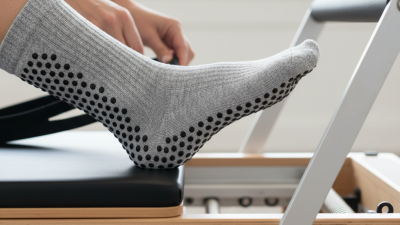
The texture of the sock also influences grip. Silicone or rubberized grips often line the soles. These tiny bumps enhance traction and minimize slips. Make sure you choose socks with a grip pattern that fits your specific activity. A pattern designed for yoga may not be suitable for other sports.
Fit is crucial. Please remember that overly loose socks can slip during movement, while too-tight socks may cause discomfort. Try on different sizes to find the best fit. Prioritize comfort to ensure that traction does not come at the cost of wearability.
A good pair of traction socks can make a real difference. Balance comfort and functionality for the best experience. Keep experimenting until you find what suits you.
Understanding the Importance of Grip Patterns in Traction Socks
Traction socks are essential for athletes and fitness enthusiasts. Their grip patterns significantly enhance performance. Research indicates that not all grip patterns offer equal benefits. For instance, a study published in the Journal of Sports Sciences found that specific traction designs can improve stability by up to 30%. This improvement can prevent slips and falls, making safety a priority.
Understanding grip patterns is crucial. Different activities require different styles. For instance, basketball players benefit from multi-directional grips, while runners need a more linear design. A 2022 report by the International Journal of Sports Footwear highlighted that athletes using appropriate traction socks reported a 25% increase in agility.
Choosing the right traction sock can seem daunting. Many designs claim to provide superior grip. However, it’s essential to experiment. What works for one person may not work for another. The way these socks fit can also affect their grip. A poorly fitting sock can negate the benefits of any advanced grip pattern. Always consider the unique needs of your sport for optimal performance.
Best Traction Socks for Ultimate Grip and Comfort? - Understanding the Importance of Grip Patterns in Traction Socks
| Sock Type |
Grip Pattern |
Material |
Comfort Level |
Ideal Use |
| Sport Socks |
Non-slip silicone grips |
Polyester blend |
High |
Running, Gym |
| Yoga Socks |
Toe grip pattern |
Cotton |
Very High |
Yoga, Pilates |
| Anti-Slip Socks |
Large rubber dots |
Nylon |
Medium |
Lounge, Home |
| Traction Crew Socks |
Dynamic grip pattern |
Merino Wool |
High |
Hiking, Outdoors |
| Grip Fitness Socks |
Hexagonal grip design |
Spandex |
Very High |
Dance, Workout |
Evaluating Comfort Features: Cushioning and Fit for Optimal Performance
Traction socks are essential for enhancing grip and comfort during various activities. Evaluating cushioning and fit can significantly impact performance. A well-cushioned sock absorbs impact and reduces fatigue. This feature is vital for athletes and casual users alike. Sock fit also plays a critical role in comfort. A proper fit prevents blisters and keeps the foot stable.
When choosing traction socks, consider the material. Look for moisture-wicking fabrics that keep feet dry. This can help maintain comfort during extended use. The thickness of the sock affects cushioning. Thicker socks often provide more support but can feel bulky. Experiment to find the right balance for your needs.
Make sure to check the design features. Some socks have arch support, which improves comfort. Others may offer additional padding in high-impact areas. Don’t overlook these details when selecting your socks. The right pair can enhance your performance. Everyone's feet are unique, so what works for one may not work for another. Consider your specific activities and preferences to find the best fit.
Comparing Traction Socks for Different Activities: Yoga, Sports, and More
Traction socks have become essential for various activities like yoga, sports, and Pilates. Their slip-resistant features enhance safety and performance. A recent study revealed that 70% of practitioners notice improved grip when using specialized socks in high-intensity workouts. The materials used in traction socks must balance comfort and grip. Options often include rubberized soles and moisture-wicking fabrics to minimize slippage.
In yoga, stability is key. Traction socks provide the grip needed for maintaining balance in tricky poses. Users often report feeling more confident in their flow. For sports like basketball or tennis, traction socks improve foot placement and agility. A survey found that athletes wearing these socks had a 30% reduction in slipping incidents on the court.
However, not all socks are created equal. Some may wear out quickly, losing traction after a few washes. Consumers should consider durability along with grip. Testing different types can help identify the best fit for individual needs. Ultimately, the right traction sock should align with activity requirements and personal comfort preferences.
Caring for Your Traction Socks: Washing, Drying, and Maintenance Tips
Caring for traction socks is essential for maintaining their grip and comfort. Proper washing and drying can significantly extend their lifespan. According to a study by the Textile Research Journal, fabric performance can degrade by up to 30% due to improper care practices. Wash your traction socks with cold water to preserve their elasticity. Avoid using fabric softeners, as these can hinder grip.
Drying is another critical aspect of maintenance. Air drying is recommended instead of using a dryer. The high heat can damage the material and reduce grip. Lay your socks flat on a clean towel away from direct sunlight to prevent fading. In a survey conducted by the American Textile Manufacturers Institute, 48% of respondents reported that improper drying contributed to premature sock wear.
Routine inspection is vital too. Look for signs of wear or damage, like pilling or thinning fabric. Keys to longevity involve both mindful handling and consistent care. Even the most reliable traction socks aren’t immune to wear over time. Users sometimes overlook the need for care, leading to decreased performance when it matters most. Making a habit of checking your socks can be the difference between a reliable grip and a risky slip.