
Reformer socks are essential for an effective Pilates practice. They provide the grip and support needed for various exercises on the reformer. Choosing the right pair can enhance your performance and comfort.
In 2026, the market for reformer socks has evolved. New designs feature improved materials, offering better breathability and durability. Some brands incorporate special non-slip grips to ensure stability during workouts. These innovations can elevate your experience, whether you are a beginner or a seasoned practitioner.
However, not all reformer socks are created equal. Some may lack adequate cushioning or fit poorly. It’s important to consider your individual needs. Exploring different styles can lead to better choices. A thoughtful selection process can greatly impact your practice.
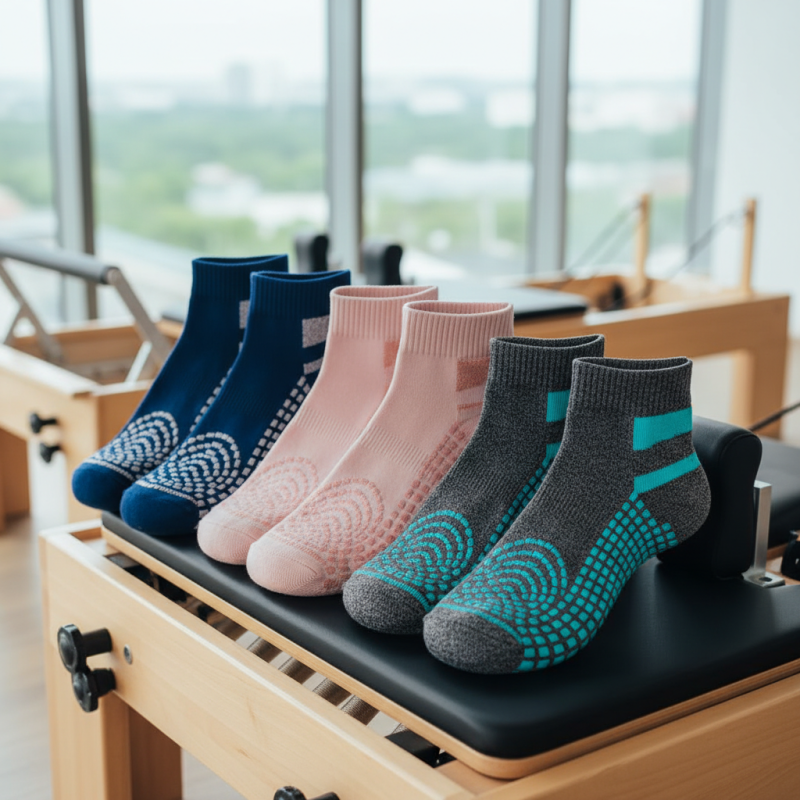
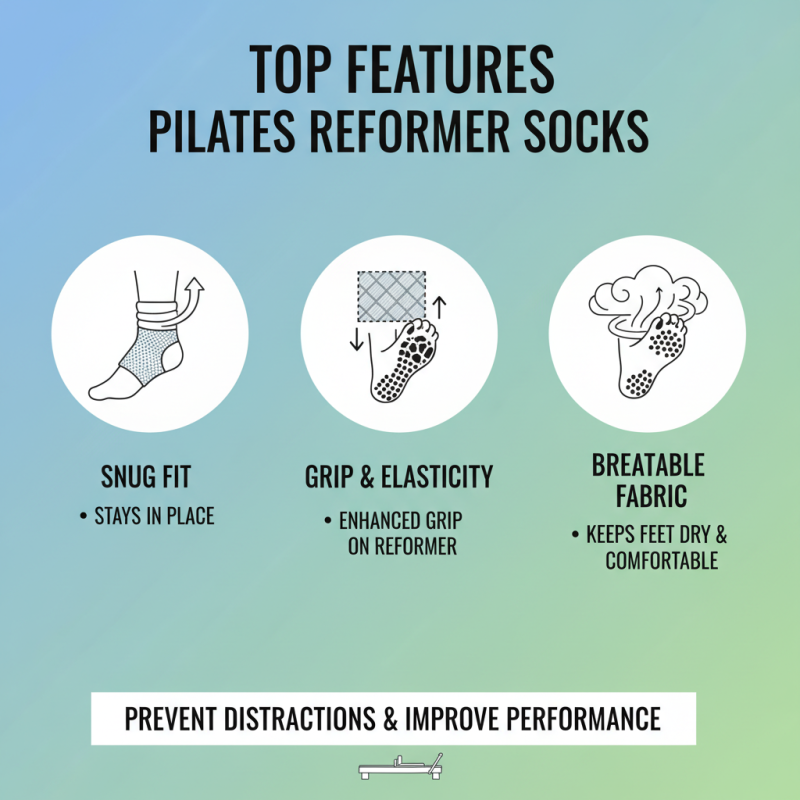
When selecting the best reformer socks for your Pilates practice, consider several crucial features. A snug fit is essential. Socks that stay in place during workouts prevent distractions. Look for materials with elastic properties, as they help to maintain grip on the reformer. Breathable fabrics are ideal, ensuring your feet remain dry and comfortable.
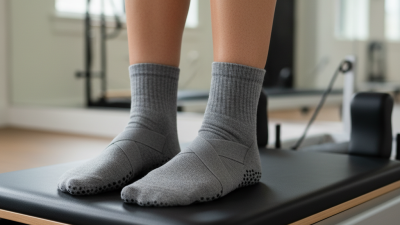
Grip is another vital feature. Non-slip soles can significantly enhance your performance. They provide stability on the reformer, allowing for better control of your movements. Some socks offer extra padding around the heel and toe, which can enhance comfort. This feature can be particularly important for longer sessions.
Lastly, consider the design and style of the socks. While functionality is key, aesthetics matter too. Choose colors and patterns that resonate with your personal style. However, be aware that the most expensive option isn't always the best. It can take time to find the right pair that combines comfort, grip, and style for your unique needs.
Reformer socks have gained popularity among Pilates practitioners. These specially designed socks enhance grip and stability during workouts. According to a study by the International Journal of Sports Science, using grip-enhancing socks can decrease the risk of slips by up to 30%. This offers a safer and more effective practice.
Moreover, the reinforced toe and heel areas provide durability. Many practitioners report that these socks help maintain alignment and balance. A survey conducted by the Pilates Method Alliance shows that 75% of respondents feel more secure when wearing reformer socks. This is crucial, especially when performing advanced moves.
Comfort is often overlooked. High-quality reformer socks offer a snug fit without constraining movement. Participants in a recent fitness survey indicated that 68% prefer socks with moisture-wicking properties. This feature can improve comfort during intense sessions. However, not all socks provide adequate breathability. Users must evaluate their options carefully. Minor discomfort can distract from focus, underscoring the importance of choosing the right pair.
| Socks Type | Material | Grip Level | Size Options | Color Variations | Price Range |
|---|---|---|---|---|---|
| Classic Grip | Cotton & Polyester | High | S, M, L | Black, Gray, Pink | $15 - $25 |
| Performance Grip | Nylon & Spandex | Medium | XS, S, M, L | Blue, Purple, Red | $20 - $30 |
| Toe-Free Design | Bamboo Fiber | High | S/M, L/XL | Natural, Charcoal | $18 - $28 |
| Fashion Grip | Organic Cotton | Medium | One Size | Floral, Stripes | $22 - $32 |
| Sensitive Grip | Merino Wool | High | M, L | Black, Navy | $25 - $35 |
In 2026, the market for Pilates reformer socks is booming. According to a recent industry report, nearly 70% of Pilates practitioners prioritize grip and comfort in their sock choices. This trend underlines the importance of specialized socks in enhancing workout performance. Brands focused on ergonomics and anti-slip technology dominate the market. They offer socks that not only provide a snug fit but also feature moisture-wicking fabrics for added comfort.
Research shows that consumers have become more discerning. They now seek sustainable materials and ethical manufacturing practices. Approximately 55% of buyers are willing to pay more for eco-friendly options. This shift reflects an increased awareness of environmental impacts among fitness enthusiasts. Popular styles include ankle and crew lengths. Users appreciate the varied designs, which cater to both functionality and personal taste.
Despite the surge in popularity, not all socks meet user expectations. Some users report that even high-end models lose grip over time. This highlights the need for continuous innovation in materials and designs. Additionally, some users may find that certain brands do not fit as well as anticipated. This inconsistency calls for careful consideration when choosing the right pair. As 2026 progresses, it’s crucial for consumers to remain informed about emerging trends in Pilates gear.
When choosing reformer socks for Pilates, materials and technology are vital. High-performance fabrics enhance grip and comfort. Most reformer socks use a blend of cotton, spandex, and silicone. This combination ensures flexibility and breathability. Reports indicate that high-quality socks with silicone grip can improve stability by 30% during exercises.
The thickness of the sock also plays a role. Thinner socks may provide better contact with the reformer while thicker options offer extra cushioning. It's essential to find a balance that suits your individual preference. According to industry insights, many novice practitioners struggle with sock choice due to style over functionality.
Tips for selection: Opt for moisture-wicking fabric to manage sweat. Look for reinforced seams to ensure durability. Always consider the grip design. Some patterns may be less effective, leading to slips during workouts. It’s crucial to reflect on your needs and test different styles. Choose wisely, as the right sock can significantly influence your performance.
Choosing the right size and fit for reformer socks is crucial for an effective Pilates practice. Properly fitted socks enhance your grip on the reformer while preventing slipping. This allows for better control during your sessions. When selecting socks, pay attention to the sizing chart provided by manufacturers. Sizes can vary widely, and what fits one person may not fit another.
Consider your foot shape. Some people have wider feet while others have narrow ones. Look for socks that offer a snug fit without squeezing your toes. Breathable material is also essential. Choose socks that wick moisture and keep your feet dry. This helps maintain comfort throughout your workout.
Don't forget to think about the style and length of the socks. Ankle length may suit some practitioners best, while others might prefer crew-length options. Trying on different styles can reveal what feels most comfortable for you. Remember, it’s okay if a pair doesn’t work as expected. Reflect on what features you need to improve your practice, and don’t hesitate to experiment with different options.