| No-Show Liner Socks |
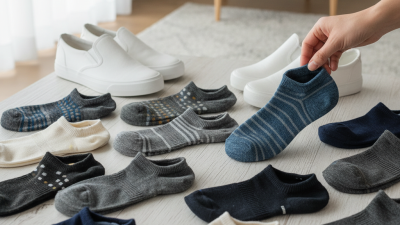
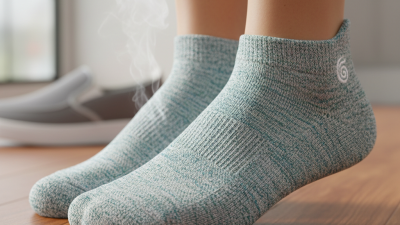
Low-cut opening with a lightweight knitted body and, often, a silicone or elastic heel grip. |
Reduces direct contact between the foot and shoe while remaining mostly hidden. |
Everyday users, office workers, travelers, and people wearing low-profile footwear. |
Low |
Moderate; performance depends strongly on fiber blend and ventilation. |
Loafers, canvas shoes, boat shoes, and low-cut sneakers. |
Check heel-grip security, toe-seam comfort, stretch recovery, and whether the cut stays below the shoe edge. |
| Invisible Grip Socks |
Very low-cut design with an elasticated opening and a wider non-slip heel area. |
Helps keep the sock in place during walking and minimizes visible fabric. |
Users who dislike slipping socks or want a clean, sockless appearance. |
Low |
Moderate; mesh panels can improve airflow in warm conditions. |
Slip-on sneakers, flats, loafers, and casual shoes with a low topline. |
Look for a secure but non-restrictive opening, smooth seams, and a grip that does not irritate the heel. |
| Cotton-Blend Slip-On Socks |
Usually combines cotton with synthetic fibers such as polyester, polyamide, or elastane. |
Soft hand feel, familiar comfort, good everyday versatility, and easier fit retention than pure cotton. |
General daily wear in mild indoor or outdoor conditions. |
Low to Medium |
Moderate; cotton absorbs moisture, while synthetic fibers generally improve drying and durability. |
Casual sneakers, loafers, and daily walking shoes. |
Check the fiber percentages, toe construction, wash instructions, and whether the fabric feels too thick for the shoe. |
| Merino Wool Slip-On Socks |
Fine wool fibers, commonly blended with nylon or elastane for strength and shape retention. |
Provides temperature regulation, odor resistance, and comfort across a broader range of conditions. |
Travelers, outdoor users, people in variable climates, and buyers seeking natural-fiber comfort. |
Medium |
Good; wool can absorb moisture vapor while still feeling relatively dry against the skin. |
Casual shoes, walking shoes, travel footwear, and light outdoor shoes. |
Check wool percentage, fabric thickness, shrinkage instructions, and whether the wearer is sensitive to wool fibers. |
| Bamboo-Viscose Blend Socks |
Soft regenerated cellulose fiber blended with elastane and sometimes polyamide or polyester. |
Smooth texture, lightweight comfort, and good breathability for everyday use. |
Warm-weather users and people who prefer a soft, smooth-feeling sock. |
Low to Medium |
Moderate to good; actual performance varies with blend structure and fabric density. |
Loafers, casual shoes, travel footwear, and lightweight sneakers. |
Review the complete fiber composition, drying guidance, colorfastness, and stretch recovery. |
| Athletic Slip-On Socks |
Lightweight synthetic knit with elastic support, reinforced zones, and breathable mesh sections. |
Improves fit stability and helps reduce friction during active movement. |
Commuters, walkers, gym users, and people who need more secure foot coverage. |
Low to Medium |
Good when the design uses moisture-wicking fibers and ventilated knit zones. |
Training shoes, running-style sneakers, walking shoes, and casual athletic footwear. |
Check arch support, cushioning placement, seam position, ventilation, and compatibility with the shoe’s interior volume. |
| Cushioned Slip-On Socks |
Low-cut upper with terry or padded zones under the heel and forefoot. |
Provides impact comfort and may reduce pressure from firm or minimally padded shoes. |
Long-distance walkers, travelers, and users who prioritize underfoot cushioning. |
Medium |
Moderate; thicker cushioning can retain more heat and moisture. |
Walking shoes, sneakers, and casual footwear with enough internal space. |
Confirm the sock thickness before purchase and check for heel movement, toe compression, and compatibility with the shoe fit. |
| Seamless-Toe Slip-On Socks |
Knitted or linked toe area designed to minimize raised seams across the toes. |
Reduces seam pressure and can improve comfort for sensitive toes. |
People prone to rubbing, users with sensitive feet, and anyone who dislikes bulky toe seams. |
Low to Medium |
Varies by fiber and knit density; seamless construction alone does not determine breathability. |
Most casual shoes, especially close-fitting footwear. |
Check the actual toe finish, stretch at the forefoot, interior smoothness, and whether the sock twists during movement. |
| Compression Slip-On Socks |
Close-fitting elastic knit designed to apply graduated pressure, usually strongest at the ankle and reducing upward. |
May support perceived leg comfort during travel or prolonged standing when correctly fitted. |
Adults who need targeted support and have selected the product using accurate sizing guidance. |
Low to Medium |
Usually moderate; tighter construction may feel warmer than a standard liner sock. |
Travel shoes, work shoes, and roomy sneakers. |
Verify pressure level, size chart, ankle and calf measurements, medical suitability, and ease of putting on and removing. |
| Eco-Fiber Slip-On Socks |
May use recycled synthetic fibers, responsibly sourced cellulosic fibers, organic cotton, or blends. |
Offers buyers more material and supply-chain information when supported by credible certification. |
Environmentally conscious buyers comparing material choices and product longevity. |
Low to Medium |
Depends on the fiber blend, knitting method, and ventilation design rather than the sustainability claim alone. |
Loafers, sneakers, travel footwear, and everyday casual shoes. |
Look for clear fiber percentages, recognized certifications where applicable, durability information, and care requirements. |